

In the modern agricultural landscape, efficiency and sustainability are paramount for farmers looking to maximize production while minimizing resource depletion. Among the various innovations aiding in effective water management, the electric butterfly valve has emerged as a crucial component in agricultural irrigation systems. This article will explore the operational principles, advantages, applications, and future trends of electric butterfly valves in agricultural settings.
Operational Principles
An electric butterfly valve operates on a straightforward yet effective principle. It consists of a circular disk—the butterfly—that rotates around a central axis within the valve body. When the valve is closed, the disk blocks the flow of water. Conversely, when the disk rotates to an open position, water can flow through the valve with minimal resistance. This rapid transitional capability, facilitated by an electric actuator, allows for quick responses to changing irrigation needs. The integration of these valves into automated control systems enables farmers to regulate water flow effectively, reducing wastage and enhancing efficiency.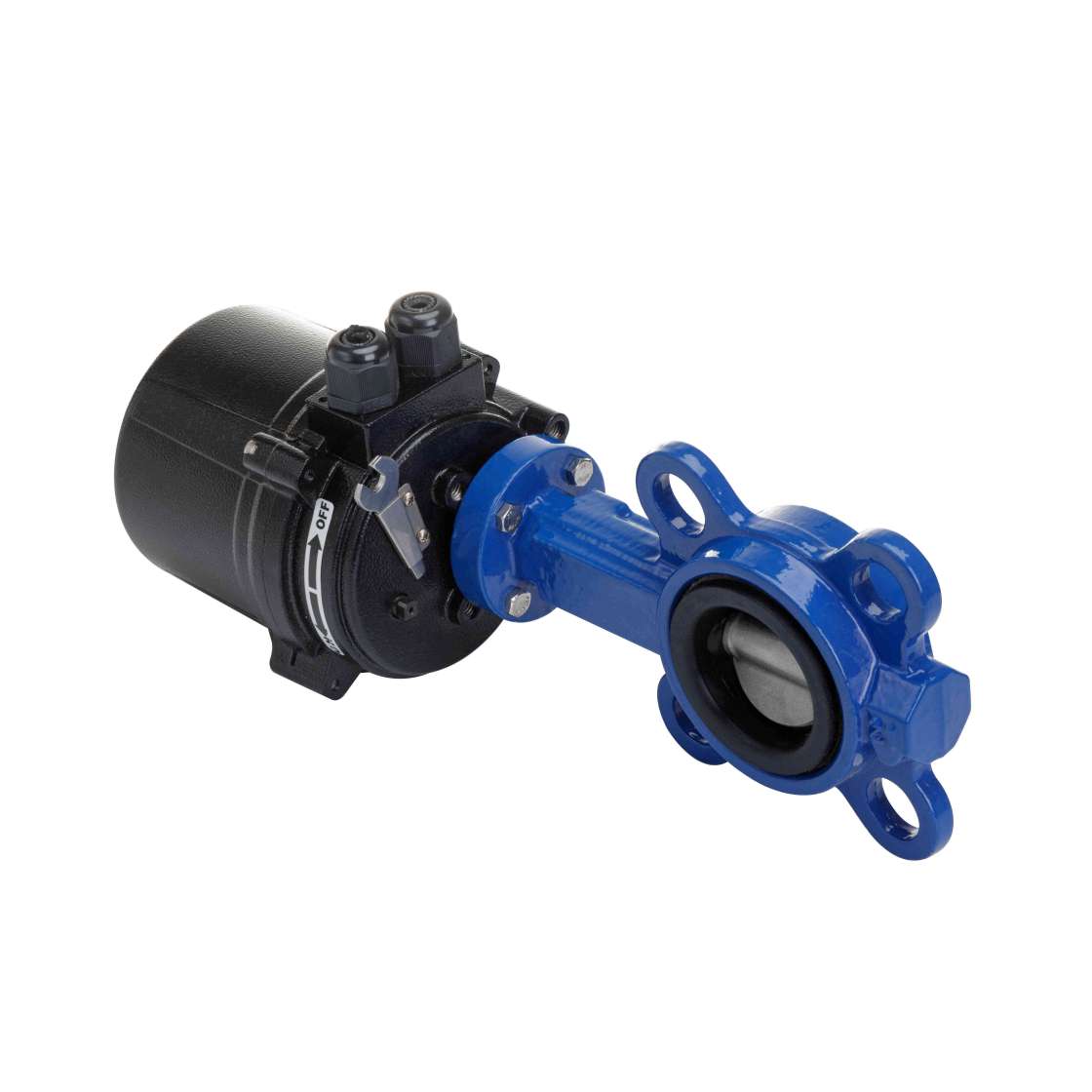
 Chat Oline