

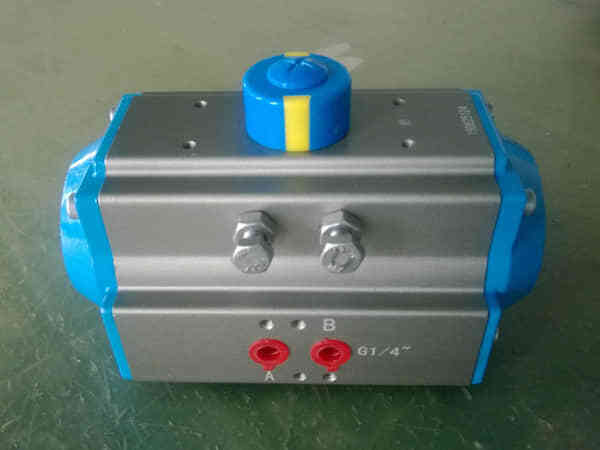
The core principle behind pneumatic actuators is relatively straightforward: they utilize the force generated by compressed air to move a diaphragm or piston within a cylinder. When air is pumped into the actuator, it creates pressure that pushes the diaphragm or piston, translating the energy from the air into mechanical movement. This action can be linear, where the piston moves back and forth, or rotary, where a shaft turns to control valves or other mechanical devices.
In a dual-actng pneumatic actuator, air is introduced into two chambers, one for each direction of movement, allowing for the precise control of position and speed. On the other hand, a single-acting actuator uses air pressure in one direction and a spring mechanism to return to the original position. This distinction is crucial when selecting an actuator for specific applications, as it determines how the actuator behaves under control signals.
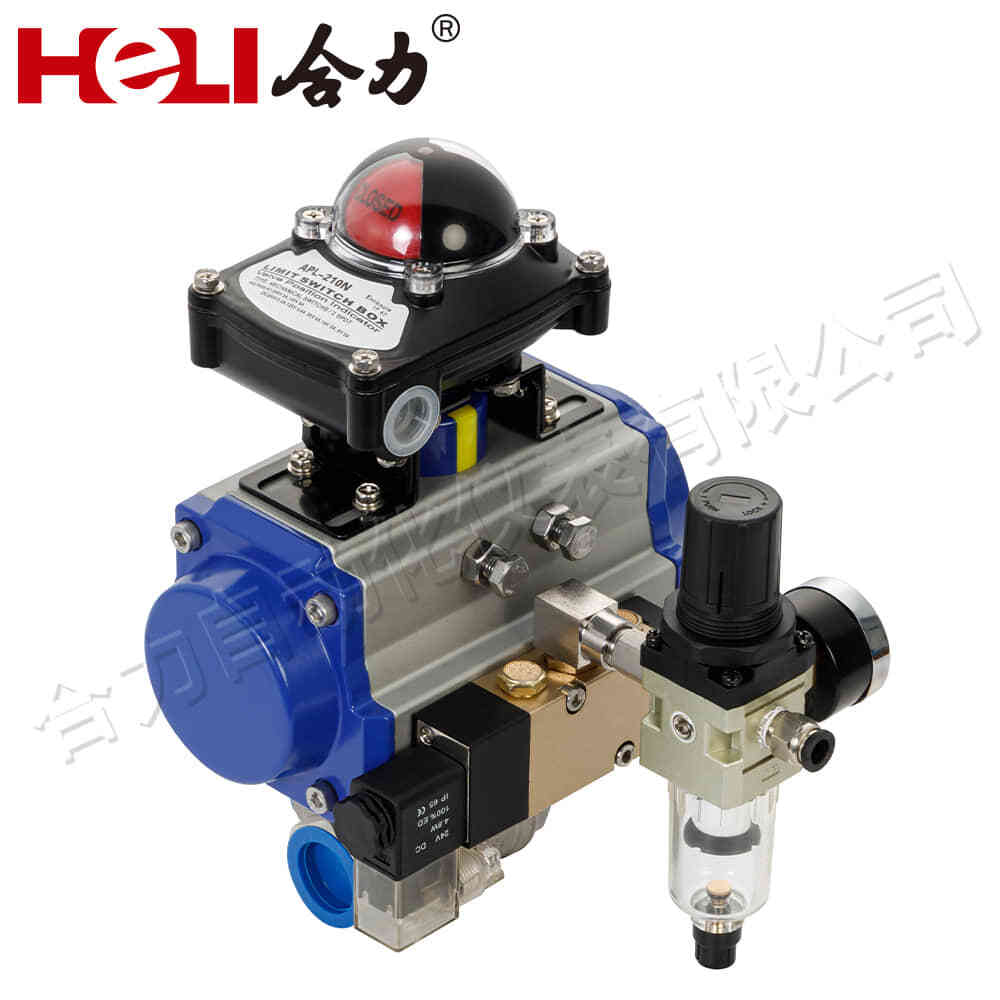
i Pneumatic actuators are vital components in various industrial processes, operating on the principle of harnessing compressed air to perform mechanical tasks. These devices are designed to convert the energy from compressed air into linear or rotary motion, making them an essential element in fields such as manufacturing, automation, and fluid control. This article delves into the working principles, types, advantages, disadvantages, and applications of pneumatic actuators to provide a comprehensive overview of their role in modern industry.
Working Principles
 Chat Oline