

The Electric Flange Ball Valve is an advanced valve solution that integrates an electric actuator with a flanged ball valve. This combination ensures enhanced automation, reliability, and performance across a wide range of industrial applications. From oil and gas processing to chemical plants and water treatment facilities, these valves are indispensable for controlling the flow of fluids efficiently and safely. In this article, we will explore the key features, working principles, and benefits of electric flange ball valves, highlighting their importance in modern automated systems.
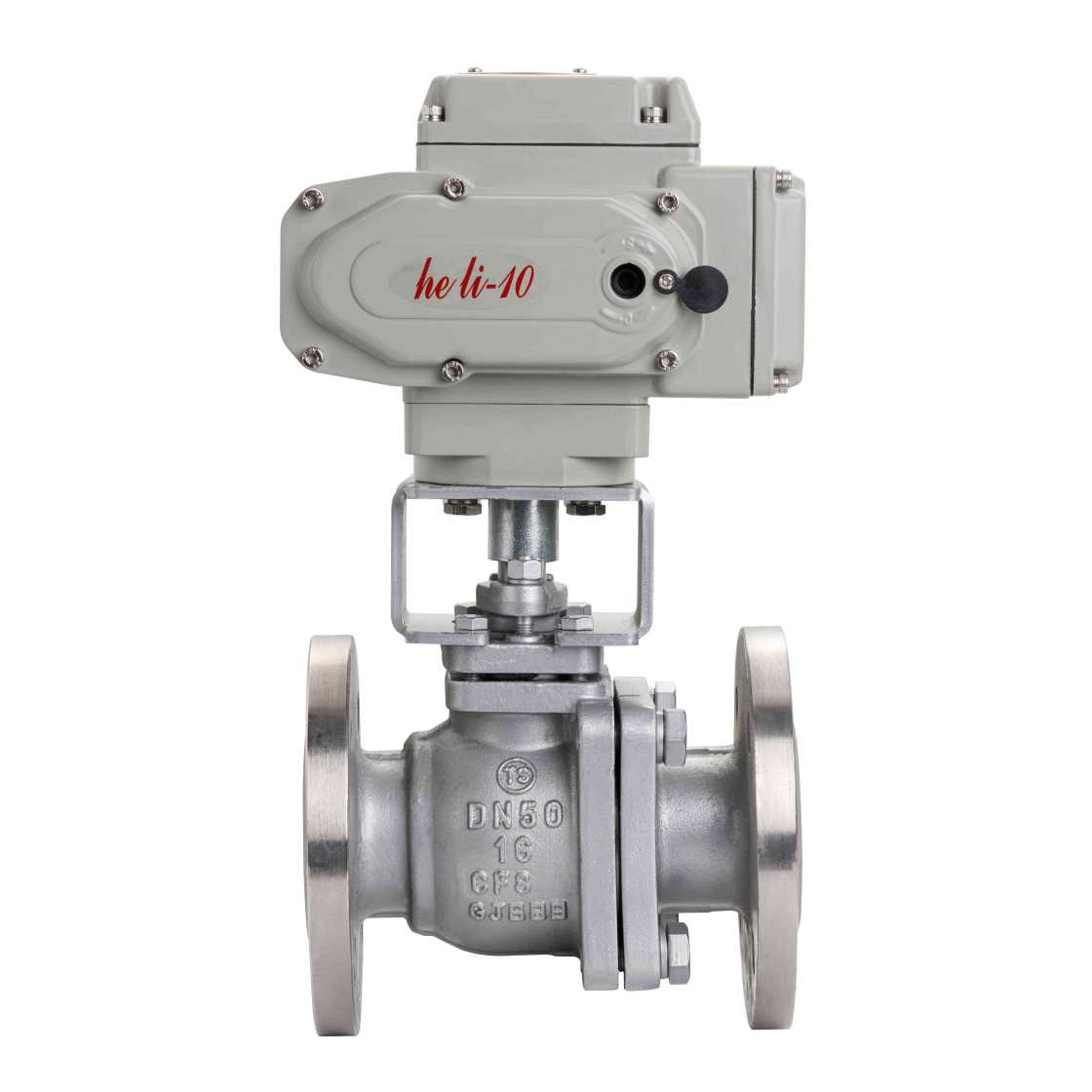
What is an Electric Flange Ball Valve?
An Electric Flange Ball Valve consists of two main components: the flanged ball valve and the electric actuator. The ball valve, with its spherical ball element inside the valve body, controls fluid flow by either fully opening or closing the passage. The actuator, typically driven by an electric motor, adjusts the valve position based on a control signal, making it an ideal choice for automation.
 Chat Oline